Enhance Sales: Personalized Multi-Channel E-Commerce Analytics Services
In today's online environment, businesses face increasing pressure to understand their customers. Customized omnichannel e-commerce analytics solutions provide a answer. By combining data from various sources, organizations can discover understanding into consumer behavior. This understanding is essential for developing successful promotional approaches. However, the journey to implementing these analytics is complex and demands thoughtful planning. What factors should enterprises focus on to guarantee achievement?
Understanding Omnichannel E-Commerce Analytics
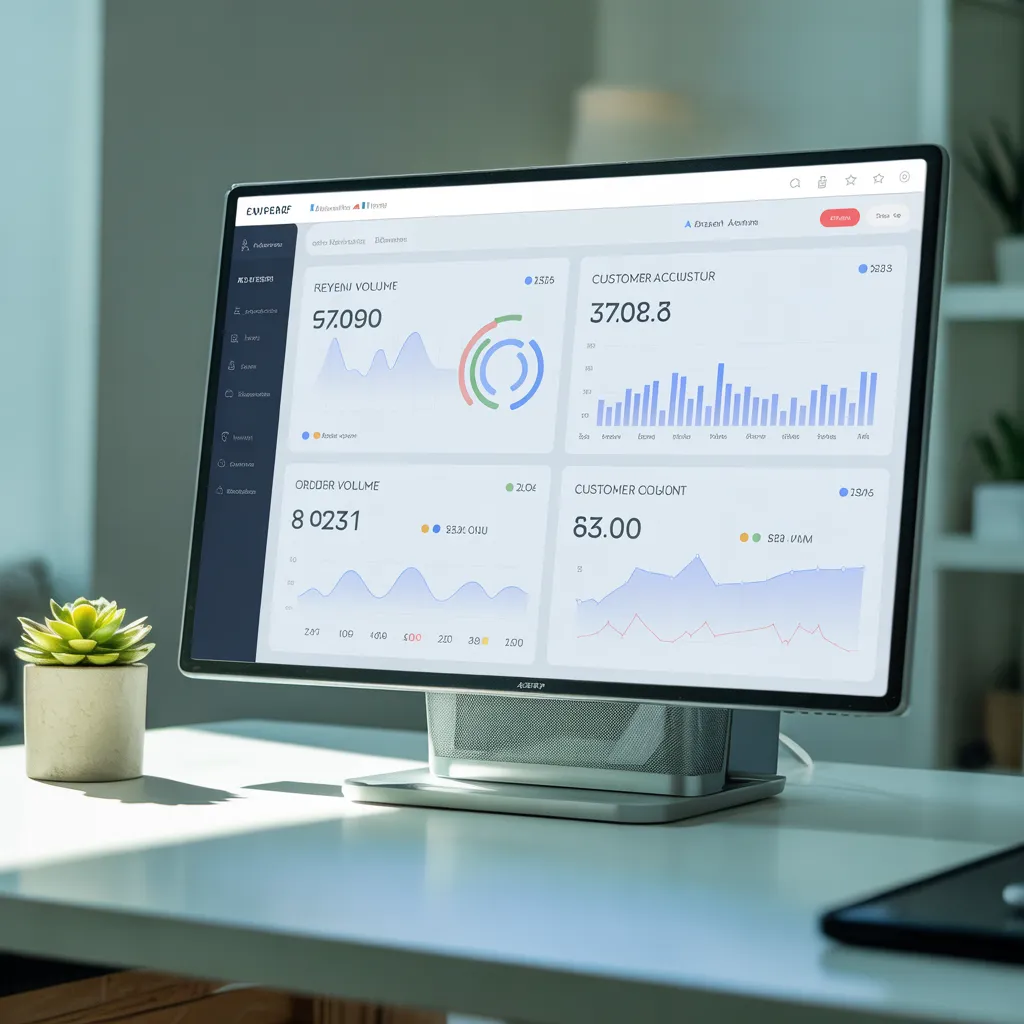
In the modern competitive landscape, nearly 73% of consumers use multiple channels before making a purchase. Multi-channel e-commerce analytics consists of the methodologies and tools that follow consumer interactions across several platforms, such as online stores, social media, and email marketing. By integrating data from these diverse channels, businesses obtain a holistic view of customer behavior, preferences, and purchasing patterns. This analytics approach provides better understanding of how each channel contributes to the overall customer journey. Additionally, it makes it possible for companies to identify trends, optimize marketing strategies, and allocate resources effectively. As consumers increasingly switch among different touchpoints, the need for thorough analytics becomes paramount. Understanding these dynamics is important for businesses aiming to enhance customer experiences and increase engagement. Ultimately, effective multi-channel e-commerce analytics can provide the insights needed to adapt to evolving consumer behaviors and market demands.
Benefits of Multi-Channel E-Commerce Analytics for Your Company
Adopting advanced sales intelligence systems can greatly enhance a business's proficiency in discerning and reacting to customer behavior. By consolidating data from various platforms, organizations secure complete understanding into consumer desires and buying behaviors. This knowledge facilitates enterprises to tailor their marketing strategies effectively, targeting specific demographics through bespoke offers.
Furthermore, omnichannel data analysis can identify the most profitable revenue streams, enabling companies to distribute assets more effectively. This optimization can lead to higher conversion rates and improved customer retention. Moreover, companies can track results in live, enabling for swift adjustments to marketing campaigns based on analytics-based insights.
By utilizing better analytical approaches, companies can remain dominant in a crowded market. Ultimately, the positive outcomes of multi-channel e-commerce analytics not only streamline operations but also cultivate meaningful engagement with customers, paving the way for sustained growth and profitability.
Important Indicators for Robust Cross-Channel Analytics
A strong multi-channel analytics approach demands a set of essential metrics to assess performance throughout various material platforms. Key Performance Indicators, channel-focused data, and conversion rate analysis are crucial for understanding how each channel drives overall business success. By observing these measurements, businesses can make strategic decisions to optimize their e-commerce strategies.
Essential Performance Indicators
While managing the intricacies of multi-channel e-commerce, businesses must track and identify KPIs (KPIs) to ensure peak results. KPIs function as critical metrics that help evaluate various aspects of e-commerce operations. Indicators such as conversion rates, average order value, and customer acquisition cost provide insights into sales performance and marketing effectiveness. Additionally, monitoring customer lifetime value and return on investment (ROI) aids in assessing long-term financial success. Monitoring these KPIs enables companies to identify trends, refine marketing efforts, and enhance customer interactions. By focusing on these critical indicators, organizations can take data-driven decisions, ensuring sustained growth and improved performance across all channels. Ultimately, a comprehensive grasp of KPIs is essential for multi-channel e-commerce success.
Separate Channel Data
To optimize omnichannel e-commerce strategies, businesses must prioritize channel-specific metrics that provide targeted insights into each sales platform. These metrics encompass sales volume, average order value, and customer acquisition costs specific to each channel, allowing companies to evaluate performance accurately. Additionally, monitoring engagement rates on social media or email campaigns can uncover which channels resonate most with customers. Understanding return rates and customer feedback for each platform helps pinpoint areas for improvement. By analyzing these channel-specific metrics, businesses can customize their marketing efforts, allocate resources effectively, and enhance customer experiences. Ultimately, this strategic approach fosters informed decision-making, driving better results across diverse e-commerce channels.
Conversion Rate Inspection
Conversion rate analysis functions as an essential element of multi-channel e-commerce analytics, offering understanding into how effectively each channel converts visitors into customers. By copyrightining the proportion of users who complete a intended outcome, businesses can identify advantages and disadvantages across different platforms. This analysis enables the assessment of various factors, such as user experience, marketing effectiveness, and product appeal. Additionally, contrasting conversion rates among channels can highlight which platforms yield the highest returns, guiding resource allocation and strategic focus. Implementing targeted improvements based on this data can significantly improve overall performance. Ultimately, conversion rate analysis empowers e-commerce businesses to refine their approaches, ensuring they meet customer needs effectively and drive sales growth.
Identify the Optimal Data Analysis Platforms for Your Needs
Picking the suitable analytical platforms begins through identifying key performance indicators that correspond with business goals. Reviewing integration options is required to confirm consistent information transfer between platforms. This detailed evaluation procedure permits online enterprises to capitalize on data effectively.
Recognize Vital Efficiency Indicators
Identifying critical metrics (KPIs) is crucial for any online retail company aiming to optimize its results and drive growth. KPIs serve as quantifiable metrics that gauge the effectiveness of different business strategies. Common KPIs encompass conversion rates, average order value, customer acquisition cost, and cart abandonment rates. Selecting the appropriate KPIs enables businesses to focus on particular regions for enhancement, guaranteeing that resources are allocated efficiently. Additionally, aligning KPIs with business objectives is important, as it provides a clear framework for evaluating success. Consistently tracking these indicators allows e-commerce companies to make informed decisions, adapt strategies, and ultimately improve customer satisfaction and profitability. By prioritizing relevant KPIs, businesses can greatly improve their analytical capabilities and operational efficiency.
Review Tool Integration Options
Assessing options for analytics tools is essential for online stores looking to effectively leverage analytics. Picking the ideal analytics solutions can greatly enhance data-informed decision-making and optimize business processes. Companies should review how well they work with current systems, ease of use, and the amount of insights available. Popular tools including Google Analytics, Adobe Analytics, and Shopify Analytics provide diverse features suited to specific needs. Furthermore, ability to connect with customer relationship management systems, email marketing platforms, and social media channels are important for a comprehensive picture of customer actions. Through analyzing these factors, online retailers can guarantee they adopt tools that fit their current requirements but also scale as they grow, ultimately driving sales and strengthening customer relationships.
How to Efficiently Deploy Your Analytics Strategy?
Businesses must initially set specific goals that fit with their overall goals to properly execute an data analytics plan. This vital foundation guarantees that every analytical undertaking serves a specific purpose, including increasing sales, improving customer retention, or optimizing marketing campaigns.
Once objectives are defined, the next step involves selecting appropriate tools and platforms that enable gathering and copyrightination of information. Businesses should prioritize intuitive systems that integrate seamlessly with current infrastructure.
Teaching personnel on these platforms is essential for effective data evaluation and judgment calls. Periodically evaluating analytics metrics against the predetermined objectives allows businesses to adapt their tactics as appropriate.
Additionally, fostering a data-driven atmosphere within the organization promotes all team members to utilize insights in their decision-making processes. By maintaining transparent exchange and partnership across departments, businesses can enhance the overall effectiveness of their analytics strategy, contributing to more intelligent decisions and improved outcomes.
Success Stories: Analytics in Action
Countless companies have successfully modernized their operations through the strategic application of data analysis, highlighting the impact of decisions informed by data. For instance, a medium-sized fashion retailer leveraged sophisticated analytical tools to track customer activity across various platforms. By identifying purchasing patterns and preferences, the retailer improved its inventory, reducing excess stock by 30% and increasing sales by 20% within six months.
In a comparable manner, an online electronics store employed current data metrics to advance its brand promotion methods. By reviewing patron interaction, the store personalized email campaigns, achieving a 25% increase in click performance and a substantial boost in conversions.
These success stories illustrate how customized online retail data analysis solutions can produce significant gains in sales and operational efficiency. By utilizing information strategically, companies not only enhance customer experiences but also secure a competitive edge in the rapidly evolving online commerce space. The deliberate implementation of analytics becomes crucial for long-term success.
Often Asked Questions
How Much Do Personalized Data Analysis Solutions Usually Cost?
Specialized analytical services typically run between $500 to $5,000 per month, contingent on the complexity and breadth of the services offered. Considerations like volume of data and sought-after insights also impact costs substantially.
What's the Best Way to Select an Analytics Partner?
To pick the fitting analytics partner, one should assess skills, industry track record, reputation, and service offerings. Additionally, evaluating client testimonials and confirming compatibility with specific business needs are essential for making an informed decision.
Which Business Sectors Benefit Most From Multi-Channel Analytics?
Retail, hospitality, and consumer goods industries stand to gain from multi-channel analytics. These sectors extract value to deepen customer engagement, perfect inventory management, and bolster commercial tactics, promoting growth through intelligent decision-making across various platforms.
What frequency Should I evaluate My Analytics Data?
Businesses should regularly review analytical insights on a weekly or monthly timeline. This schedule allows enterprises to identify shifts, execute timely modifications, and refine strategies productively, maintaining their attentiveness to changing consumer behaviors and market dynamics.
Do Analytical Software Work With Existing Systems?
Yes, analytical tools can integrate with existing systems. Many platforms deliver APIs or built-in connectors, facilitating seamless data exchange and improving operational efficiency. This integration supports thorough insights, promoting informed decision-making across various business functions.